Can Secular Buddhism be a thing?

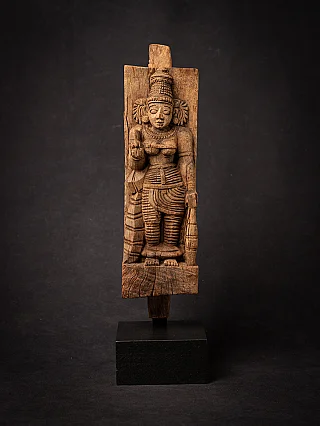
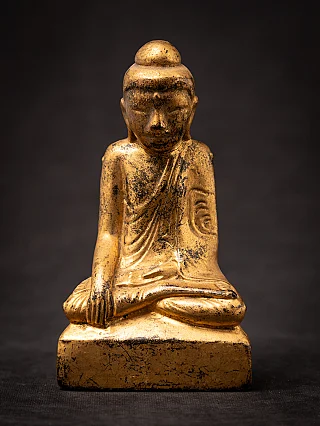
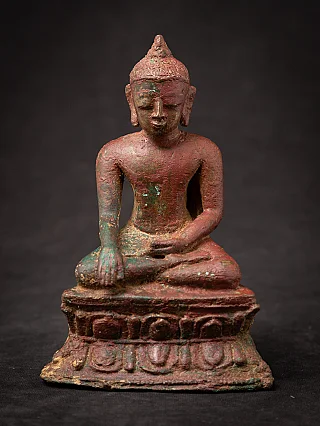
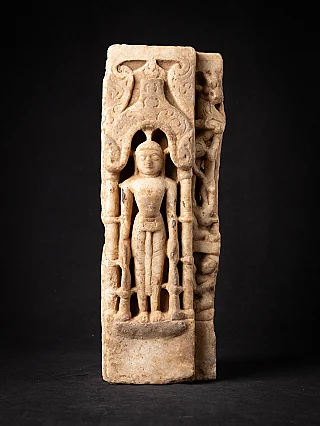
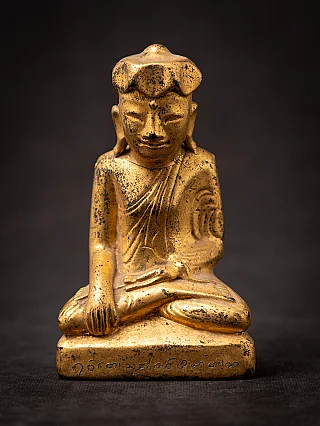
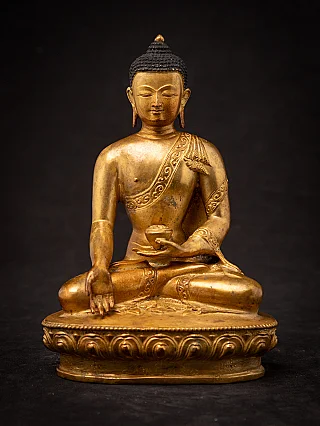
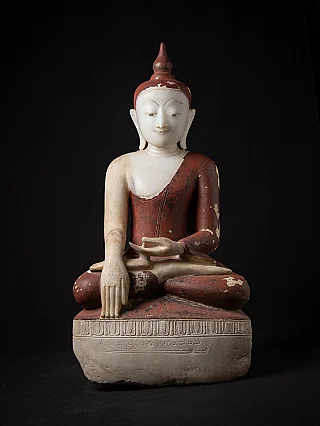
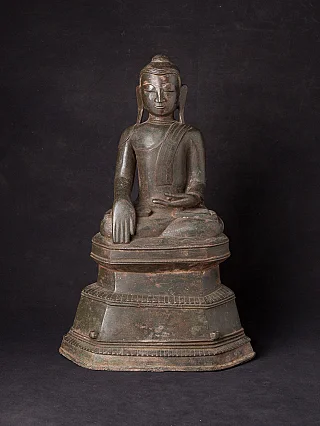
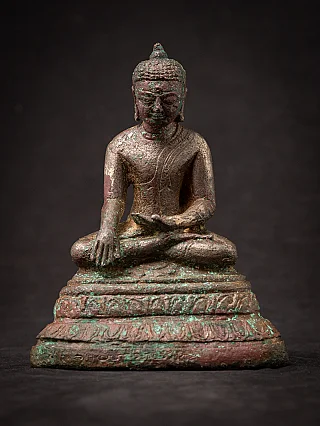
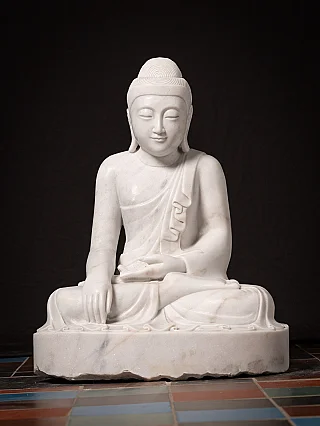
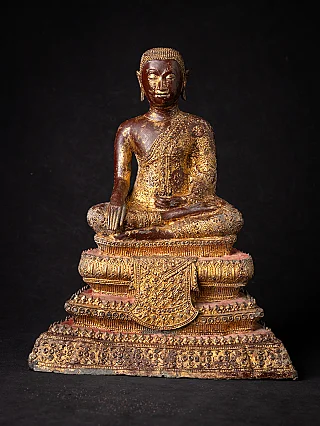
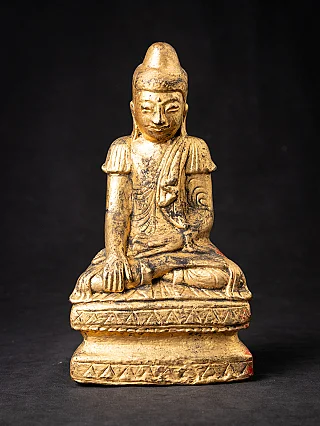
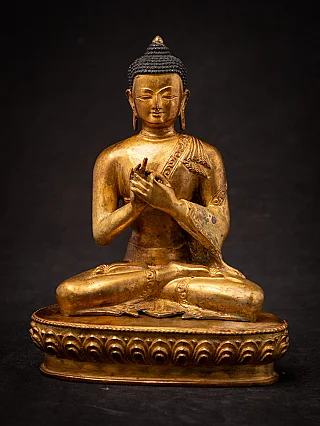
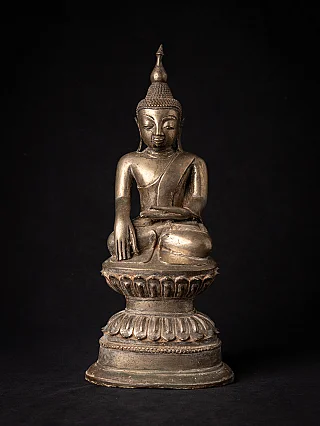
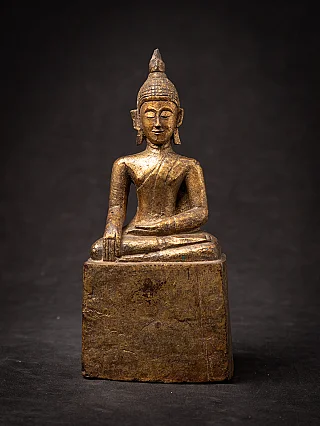
Many meditation enthusiasts practice meditation by visualizing a seated Buddha statue or a seated figure of Shakyamun Buddha on a throne or a Buddhist shrine in the space before them. At the same time, they also visualize other Buddhist deities like Avalokiteshvara, the bodhisattva of compassion, Manjushri, the Bodhisattva of wisdom and also sometimes the wrathful figure of Vajrayogini, the bodhisattva of power. By imagining or creating such images in the mind, they recite the mantras of these deities.
For many Tibetans and other meditation practitioners, these images are not mere symbols or archetypes. They were and are still regarded as the possessor of the power to interfere in human affairs and livelihoods by granting powers and answering prayers. In simpler terms, they are regarded as gods or “hla”, the Tibetan term for gods. The Tibetan Buddhist philosophy’s ultimate nature of all thins are they are empty of inherent existence. These gods, hence, are no different from humans in terms of how they work or operate as the agents in the relative world or realms.
The practitioner of meditations find it very difficult to speak or communicate with these Buddhas and Bodhisattvas as if they were virtual persons having the characteristics of an agency. Though there is no question of suspicion of bad faith while reciting the mantras and tantric sadhanas. Instead, requesting insights and blessings for more perseverance is more of a common theme while remembering them. Interpreting these symbols and figures make matters even worse. This is where Ludwig Feuerbach (1804-72) and his idea comes to the place.
Feuerbach was a student of Hegel who rejected his teachers’ accentuation on the preference of Spirit in the evolution of history and supported a liberal, materialist and atheist view of the world. He, therefore, is perhaps best know for serving as a bridge between the ideas of Hegel with those of Friedrich Engels and Karl Marx. As a theologist, he launched a critique against religion in general, Christianity in particular. In his most famous book, “The Essence of Christianity (1841)”, he argued that the function of religion was to project the important human qualities and traits of reason, love and will onto the non-human and divine form of god, who later turns out into an object of worship. As a result of this, god becomes more ideally human while the apparent difference between man and god is measured in the god’s greatness. Man must become poor, submit himself to the god to enrich the god; god may be all, man must be nothing. As god is the projected essence of man, if people are to maintain their true humanity, Feurebach maintains that they need to reclaim their essential nature from the god onto whom they have projected it.
While an echo of Buddhism may be understood in his phrase “in the realm of nothingness”, Christianity remained the primary target of Feuerbach. The visualization of the deity as mentioned before fits Feuerbach’s thesis. Gautama, as the dharma evolved into a religion, lost his humanity and turned into a god like figure of Shakyamuni Buddha. Similarly, the human qualities of love, reason and will were projected in the form of godlike bodhisattvas of Manjushri, Avalokiteshvara and Vajrayogini. The practitioner thus finds himself or herself praying to these gods to grant him or her in the form of blessings, the very qualities he or she gave away to them in the first place. As the tradition morphs itself into orthodoxies and hierarchal institutions, a similar gap opens up between a human being and his or her essence of humanity.
An established religion rests its power over the followers by controlling g the interpretation of its canonical texts. Various departments of Universities focusing on religious study today play a similar role as the experts have had their say depending on what the doctrines of the religion “really” mean. Those with vested interests in preserving the correct interpretation of these texts cannot tolerate or ease the idea that people might actually enter into a dialogue with the authors of the text. Hence, actively discouraging the people by emphasizing the difficulties of such texts and the need of intense study to acquire the proper interpretative tools required to understand them correctly.
A Feuerbachian approach to Buddhism would lead to the recovery of Gautama as a human conversation partner as well as an perfect interpretor of his secular teaching. Instead of nirvana being located in a transcendent realm beyond the human condition, it would be restored to its rightful place at the heart of what it means each moment to be fully human. Rather than devoutly repeating what has been said many times before, you risk expressing your understanding in your own stammering voice.
Share this page